Our model
From a health need to measured impact
Six steps link a health need identified in a territory to a facility that works and whose results are measured.
The essentials in 3 points
A single thread
The same group follows the project from diagnosis to operations. Nothing is lost between two parties.
Four business lines at work
Advisory for the diagnosis, financing for the structuring, commissioning for the opening, social protection for access.
A loop
What is measured at one site is used to design the next.

Step 1/6
Identify the need
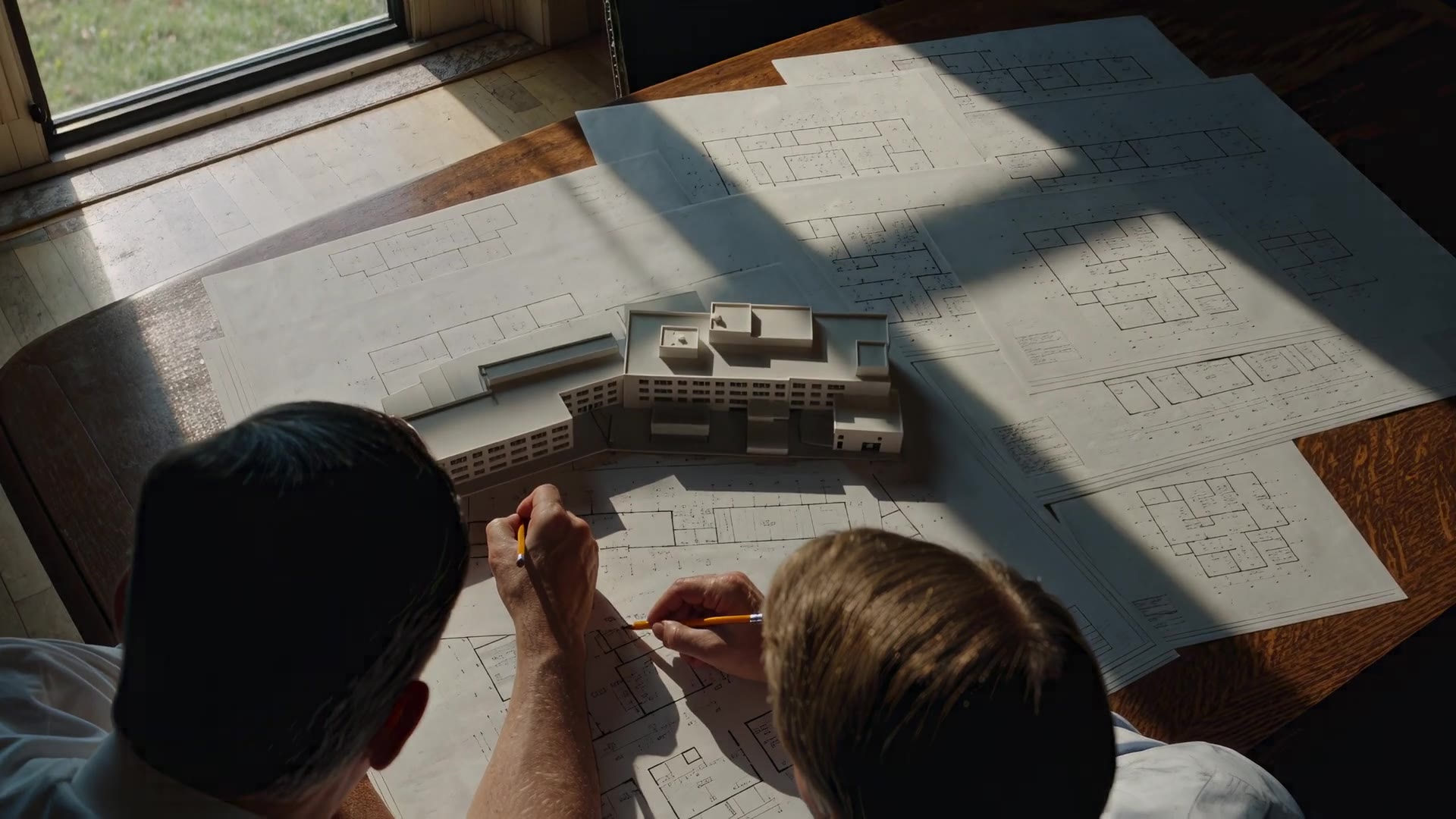
The drawings
Step 1/6
Identify the need
A diagnosis that says whether a project is warranted, where, and in what form.
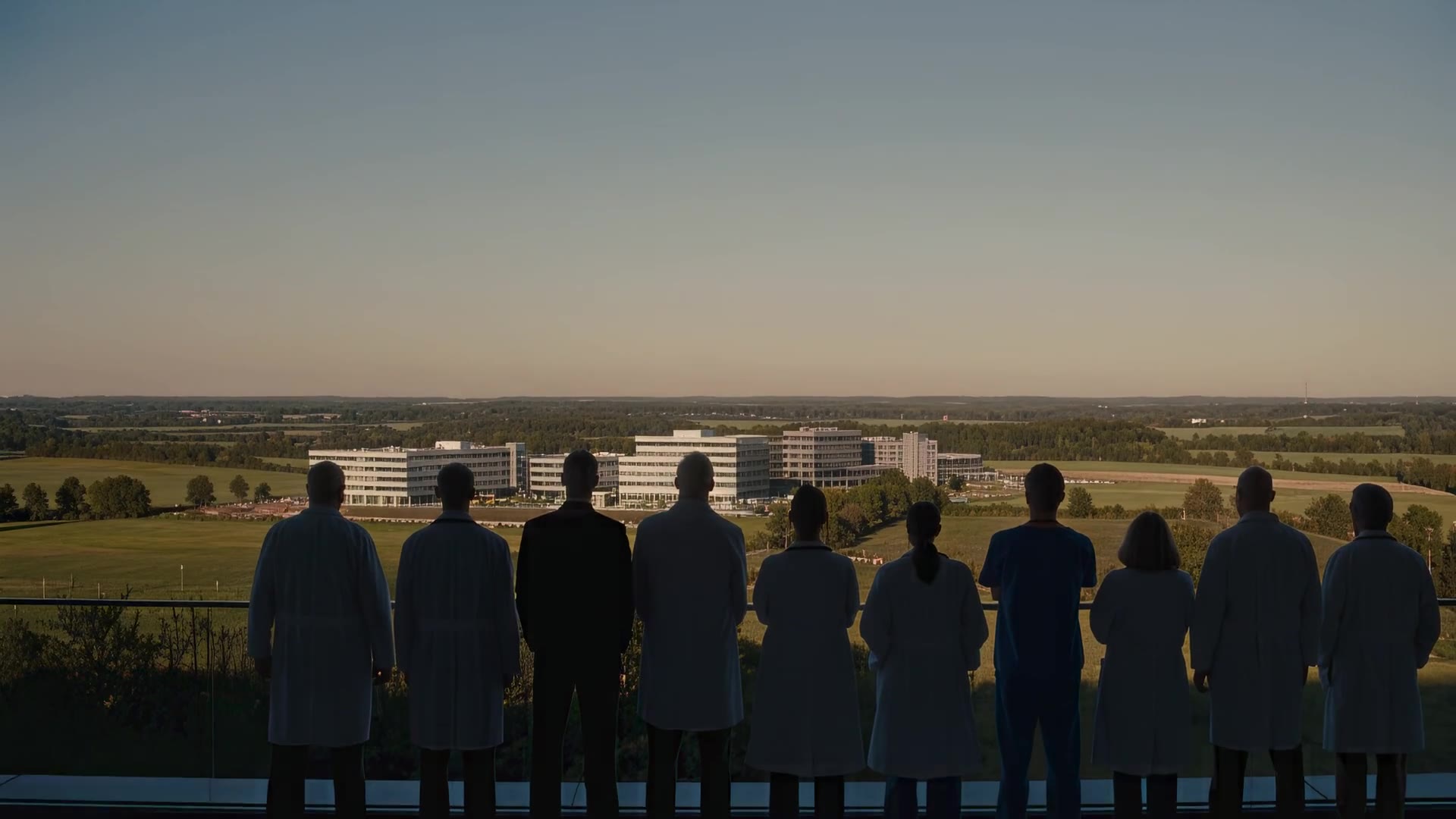
Everything starts with a territory or an existing facility. Before talking about capital, we look at what the population needs and what is already on offer.
This diagnosis combines three readings: health needs, the existing supply of care and the regulatory framework into which a new project will have to fit.
- Health needs of the population
- Existing supply of care and gaps
- Regulatory framework and authorisations to plan for
Step 2/6
Structure and finance
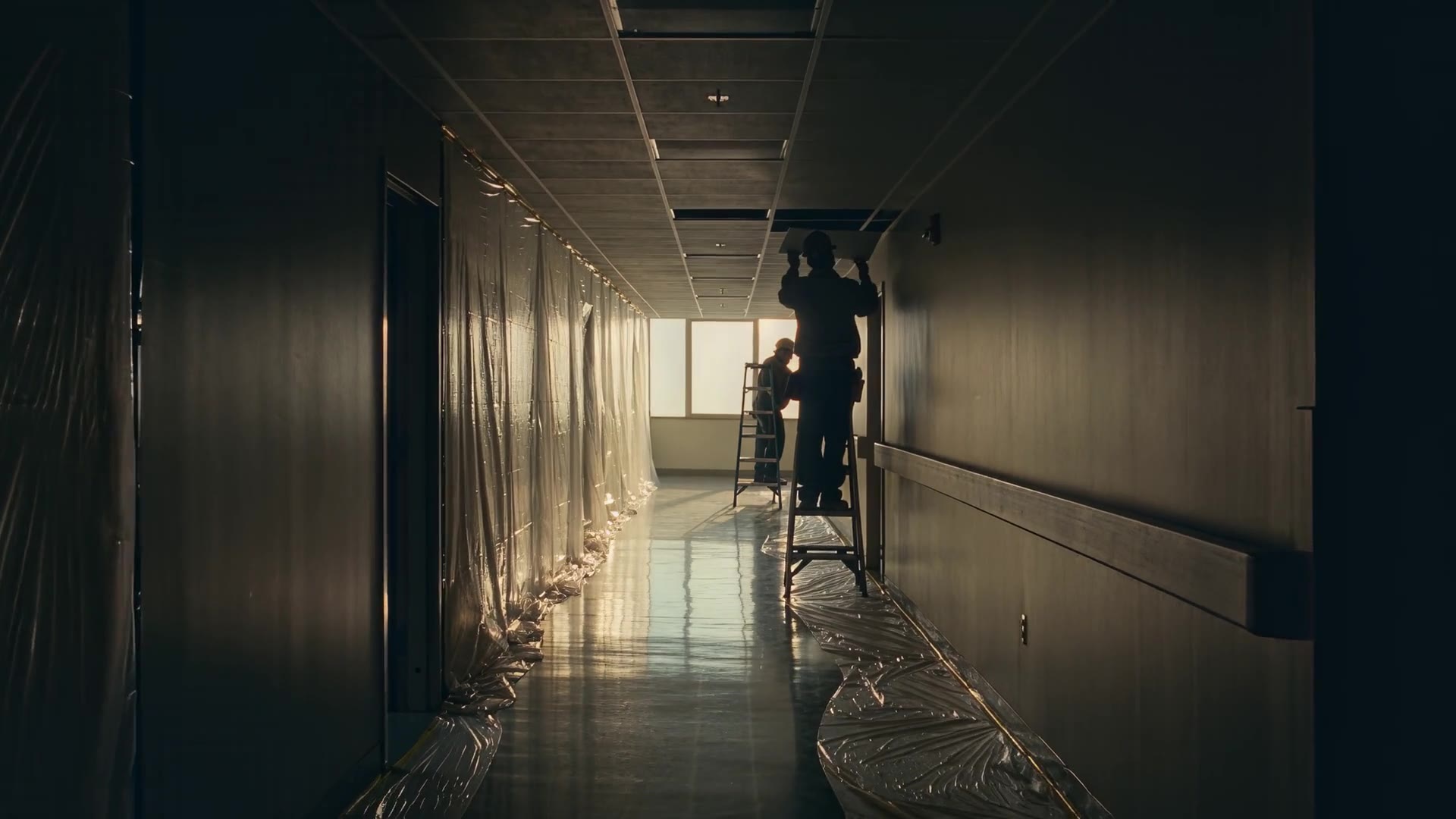
The site
Step 2/6
Structure and finance
A structured project, carried by the right vehicle and financed.
The diagnosis becomes a project. We settle its scope, timetable and financing plan, then choose the structure that will carry it.
Depending on the case, the project is housed in the holding company, in the sub-group IDAF Group, or carried out with partners. Investors and funding are mobilised on that basis.
- Project structuring and financing plan
- Choice of vehicle: holding company, IDAF Group, partners
- Mobilising investors and funding
Step 3/6
Commissioning
The site is completed
Step 3/6
Commissioning
A facility that is authorised, equipped, staffed and open to patients.
This is the move from paper to reality. Commissioning brings together everything needed for a facility to open and work from day one.
In France, opening a health centre requires in particular filing a health project with the ARS and entering into an agreement with the national health insurer. Each country has its own rules; the method stays the same.
- Design of premises and patient pathways
- Authorisations: in France, ARS and agreement with the national health insurer
- Medical equipment
- Recruiting and training teams
- Information systems
- Bringing into service
Step 4/6
Operate and support
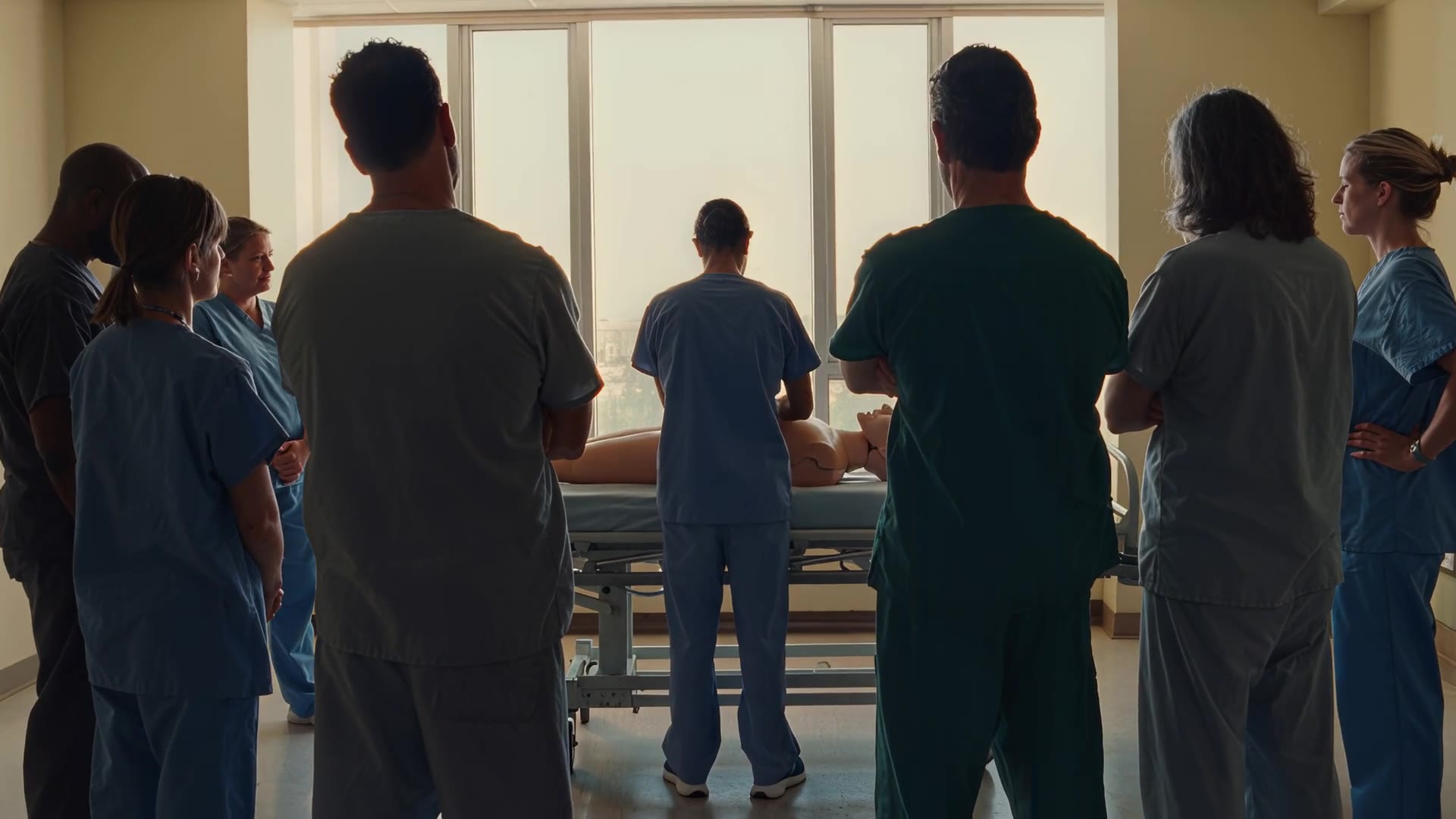
The teams
Step 4/6
Operate and support
A facility that ramps up and finds its balance.
Opening is not the end of the project. The first months determine both the quality of care and the economic balance.
We support the facility's management on governance, quality, financial steering and the ramp-up of activity. We also train teams over time: that is what makes a facility hold.
- Governance of the facility
- Quality and safety of care
- Financial steering
- Ramp-up of activity
- Continuing training and strengthening of teams
Step 5/6
Protect
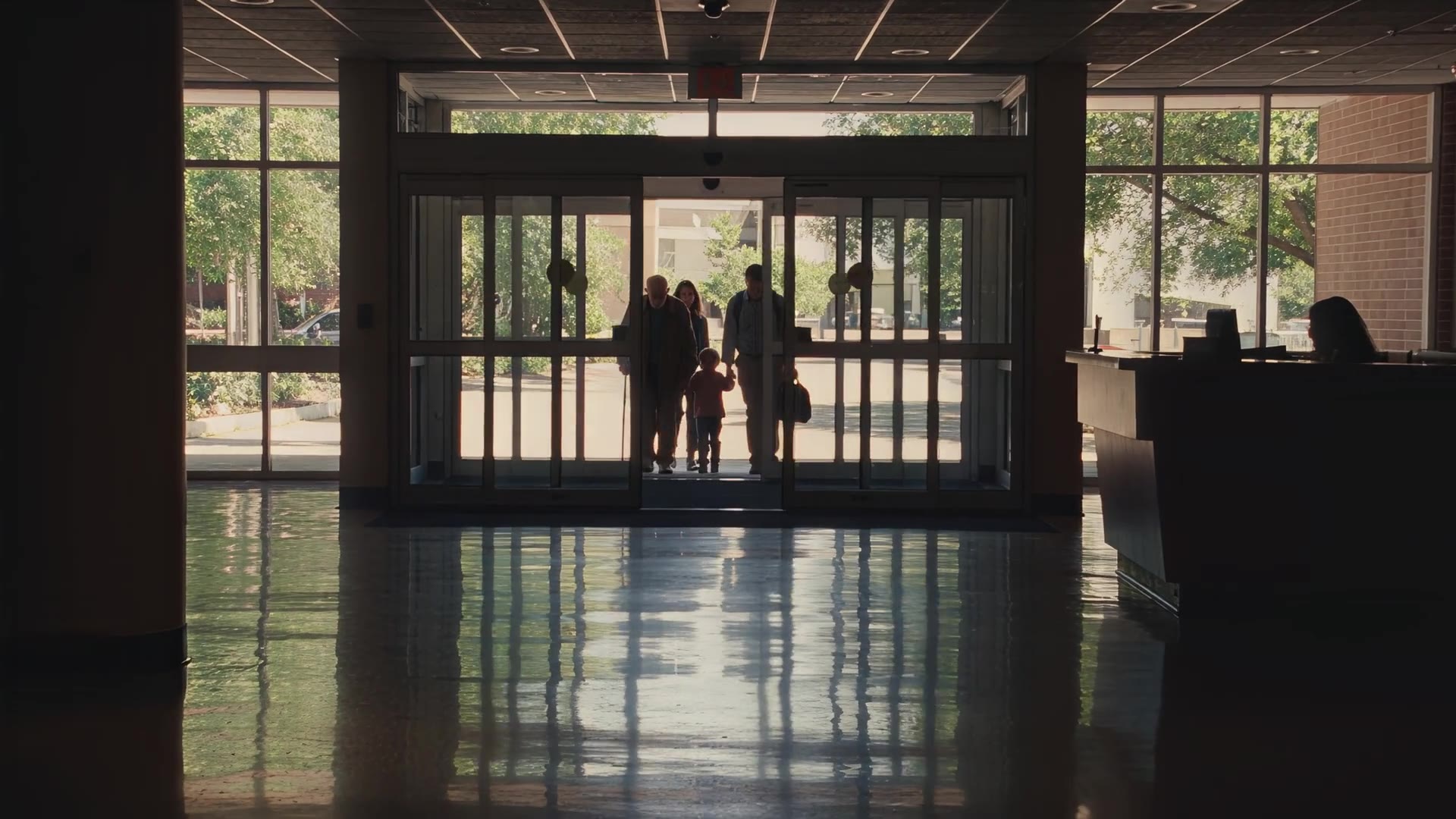
The patients
Step 5/6
Protect
Patients who can get care without cost being an obstacle.
A facility is only useful if patients can come to it. Social protection settles that question: who pays, how much, and when.
We work on financial access to care with each country's tools: third-party payment, patient coverage, coordination with the national health insurance system.
- Third-party payment
- Patient coverage
- Coordination with national systems
Measure and reinvest
A new day
Step 6/6
Measure and reinvest
Results that are tracked, and a model ready to be replicated elsewhere.
We monitor each facility with impact and performance indicators: what it brings to the population and what it produces economically.
These measurements have a second use. They show what works and make it possible to replicate the model in new territories, returning to the first step.
- Impact indicators
- Performance indicators
- Replicating the model in new territories
Step 1/6
Identify the need
The drawings
The plan of a hospital
Understanding a hospital by walking through it
Choose a process, then move forward step by step: the plan shows where it takes place. You can also click on an area to find out what it is for.
Click on an area of the plan to see its role.
How does a hospital rise from the ground?
Step 1/6
The brief
Before any drawing, we decide what the hospital will have to do: which departments, how many beds, theatres and consulting rooms.
And then we start again
The sixth step leads back to the first: each site that is measured informs the diagnosis of the next.
Glossary
The technical terms used on this site, explained in a sentence or two.
- Commissioning
- All the operations that take a healthcare facility from project to opening: design, authorisations, medical equipment, recruitment, information systems, then bringing it into service and checking that everything works.
- Health centre
- In France (centre de santé), a local care facility whose professionals are salaried. It provides care without overnight stays, applies third-party payment and charges regulated fees.
- Primary care
- The first level of care: general practice, prevention, follow-up of chronic conditions. It is the gateway into the health system.
- Secondary care
- Specialist care, usually on referral from a first-contact doctor: specialist consultations, tests, routine surgery, inpatient stays.
- Tertiary care
- Highly specialised referral care, delivered in referral hospitals equipped with heavy technical platforms.
- Third-party payment
- A system (tiers payant in France) that spares the patient from paying up front: the facility is paid directly by the health insurer and, where applicable, by the supplementary insurer.
- ARS
- Agence régionale de santé, the French regional health agency. A public body that steers health policy in each French region: it receives the health project of health centres and oversees how they operate.
- Agreement with the health insurer
- In France (conventionnement), an agreement by which a professional or a care facility undertakes to the national health insurer to charge set fees. In return, patients are reimbursed on that basis.
Next step
The model draws on four business lines. Each has its own page, with the projects that illustrate it.